

Cloud-native AI, open-source collaboration, and the communities shaping what comes next.
Faseela K, CloudNative Developer @ Ericsson | TOC @ CNCF writes:
KubeCon + CloudNativeCon North America 2026 brought the cloud-native community together in Salt Lake City, Utah, for another week of technical discussions, community engagement and collaboration. This conference felt particularly special to me. It was my first KubeCon since concluding my journey as KubeCon + CloudNativeCon Co-Chair after three editions, the last of which was Amsterdam earlier this year. Being back without the co-chair responsibilities was a different experience, but an equally busy and rewarding one, with opportunities to speak, contribute to community events, reconnect with fellow maintainers and celebrate milestones across projects I have been involved with.
If I had to summarize the biggest shift I observed between the two KubeCons this year, it would be this: Amsterdam was about inference. Salt Lake City was about agents. That evolution was visible throughout the conference, from technical sessions and project discussions to conversations about the next generation of cloud-native infrastructure.
From AI inference to agentic infrastructure
At KubeCon Europe in Amsterdam earlier this year, AI inference was at the center of many infrastructure conversations. By November, the discussions had expanded towards agentic workloads and the new demands they place on cloud-native platforms. The challenge is no longer only about running models efficiently, but also about supporting agents that make decisions, interact with services, delegate tasks and execute workflows across distributed environments.
This introduces new questions around identity, authorization, observability, security, resource management and recovery. Projects and initiatives across the CNCF ecosystem are beginning to address these challenges, and it was striking how quickly the conversations have evolved in just a few months
For telecommunications, these developments are particularly interesting, given the distributed nature of our infrastructure, resource-constrained edge environments and the need for reliable and secure automation. Cloud-native technologies have already played an important role in transforming telecommunications software, and I am excited to see how they will shape the next generation of AI-native networks.
CNCF TOC: Shaping the future of cloud-native infrastructure
A big part of KubeCon for me is my role on the CNCF Technical Oversight Committee (TOC). While much of our work happens remotely throughout the year, KubeCon brings TOC members together in person, along with members of the CNCF Governing Board (GB) and Technical Advisory Board (TAB). This time, we had very interesting discussions and workshops around preparing CNCF for the future of AI-native infrastructure. These opportunities to exchange perspectives and collaborate across different parts of the foundation matter more than ever as the cloud-native landscape continues to evolve.
Another highlight was taking part in two CNCF TOC Ask the Experts (AMA) sessions, one at the Maintainer Summit and another during the main conference. Both sessions brought thoughtful questions and engaging conversations with maintainers, contributors and community members about the CNCF ecosystem, project maturity, technical direction and opportunities to get involved. I enjoy these interactions because they create an open space for the community to connect directly with TOC members, share perspectives and ask questions.
KubeCon is also a great opportunity to celebrate the progress of projects we support through the TOC. Having sponsored the graduation of Cloud Native Buildpacks and Kubeflow , it was a joy to reconnect with their maintainers and celebrate these milestones together. Experiences like these reinforce that project maturity is about much more than reaching a new status. It reflects years of collaboration, technical progress and the dedication of communities building technologies that the wider ecosystem can confidently depend on.
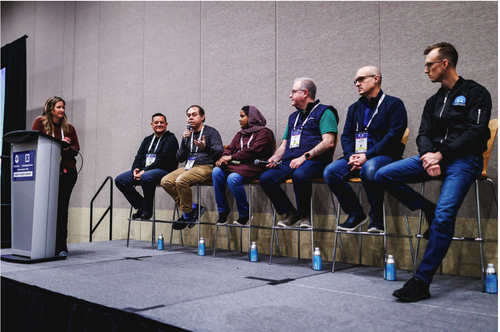
CNCF TOC AMA panel at KubeCon
Bringing Kubernetes networking expertise into focus
Networking has been a significant part of my cloud-native journey, so I was especially happy to take part in two discussions around Kubernetes networking expertise. At Platform Engineering Day, I joined a panel exploring why networking deserves greater attention as platforms grow in complexity. I also joined a panel on the Certified Kubernetes Networking Engineer (CKNE) certification as one of the advisory members of the exam, to discuss the importance of standardizing and validating Kubernetes networking skills.
Having contributed to the development of CKNE as a subject matter expert, it was great to see these conversations reach the broader community. From basic pod connectivity to service meshes, Gateway API, multi-cluster networking and AI-aware traffic management, Kubernetes networking has evolved enormously over the past decade. Building the skills to understand, operate and troubleshoot these increasingly complex environments is becoming just as important as building the technologies themselves.
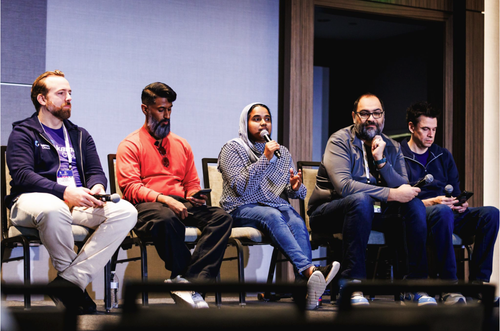
CKNE panel photo from the Platform Engineering Day panel
Istio, ambient mesh and the next generation of service networking
Istio has been a significant part of my open-source journey, and KubeCon offered several opportunities to contribute to the project and connect with its community. One of my biggest highlights was co-chairing Istio Day at the Cloud Native Theater alongside Jackie Maertens. Despite being held in an open theater, we had a packed audience, with engaging presentations from organizations using Istio in production and lively discussions around ambient mesh, multi-cluster architectures and AI-aware traffic management. Seeing the strong turnout and audience engagement was particularly rewarding after the work that went into bringing the program together.
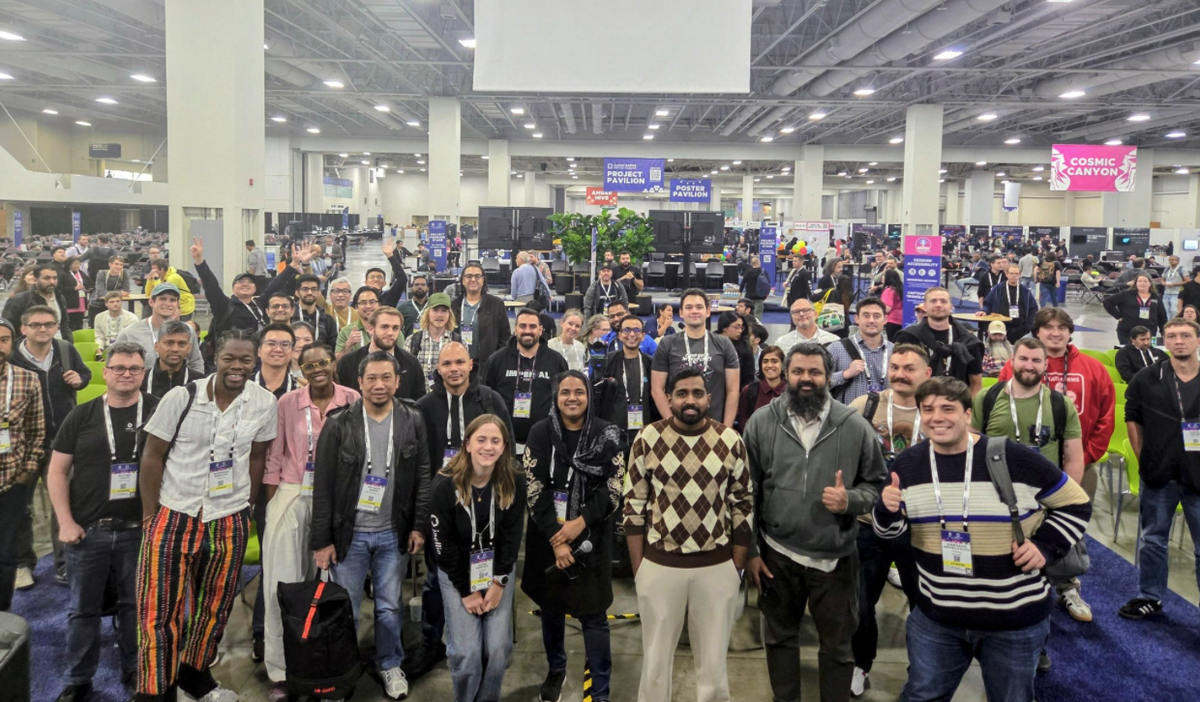
Istio Day
Another experience I especially enjoyed was helping run Istio ContribFest as one of the project’s maintainers. ContribFest gives newcomers an opportunity to move beyond simply using open-source software and start contributing to it. Working directly with participants, helping them navigate the project and take their first steps towards contributing was a reminder of how important it is to make open source welcoming and accessible. The long-term sustainability of projects like Istio depends not only on their technology, but also on bringing new contributors into the community.
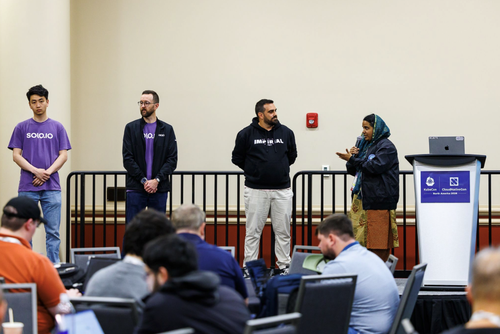
Istio Contrib Fest
I also spent time on Istio project kiosk duty, meeting users, adopters and potential contributors from across the ecosystem. Conversations around ambient mesh, migration experiences and multi-cluster deployments provided valuable insights into how organizations are adopting and operating Istio. As an Istio Steering Committee member and maintainer, these direct interactions are among the most meaningful parts of KubeCon for me. They help connect the work happening upstream with the real-world challenges faced by users, including those relevant to our cloud-native work at Ericsson.
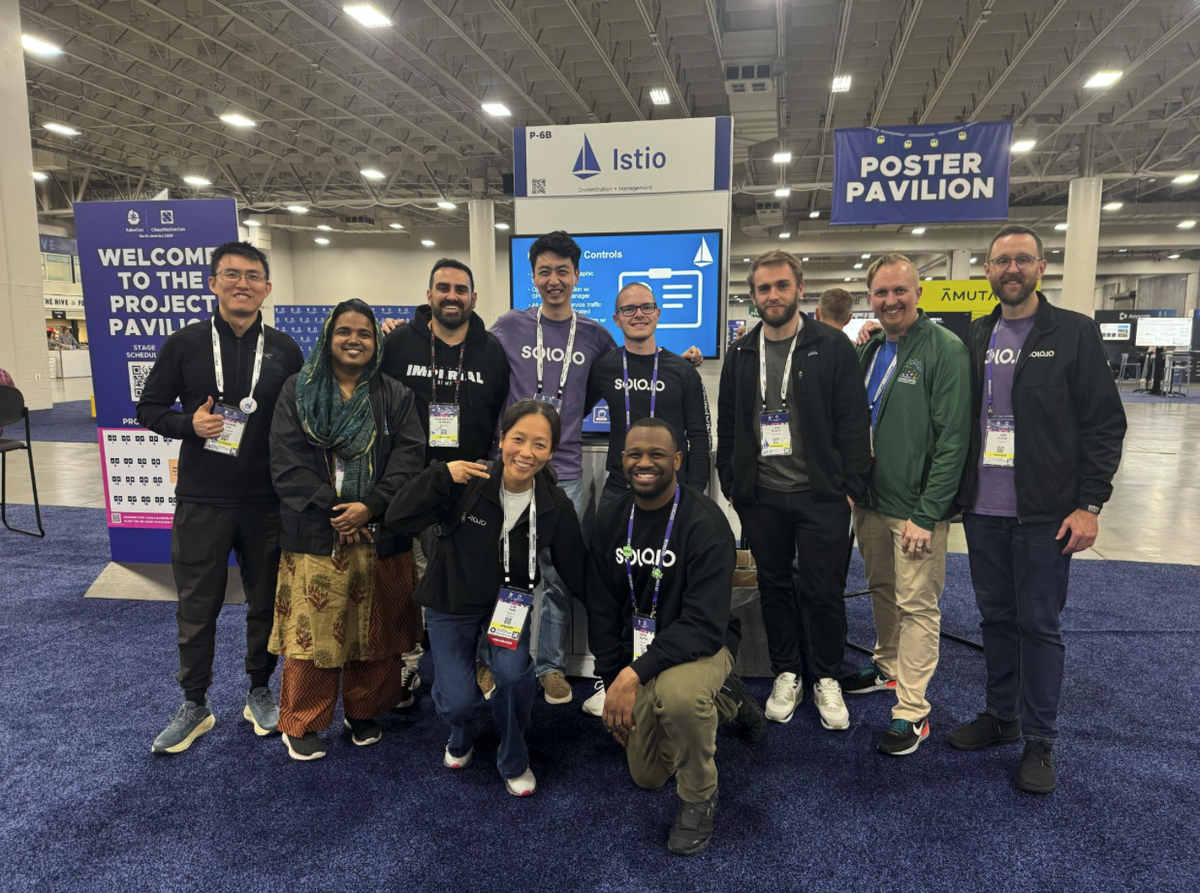
Istio Project Kiosk
Women in Cloud Native: Creating space to connect and grow
One of the experiences closest to my heart at this KubeCon was co-hosting the Women in Cloud Native gathering. We brought together women at different stages of their cloud-native journeys, from those just discovering the community to experienced contributors and leaders. It was an opportunity to share experiences, exchange perspectives and explore ways to become more involved in open source, whether through technical contributions, community initiatives or leadership opportunities.
What made this gathering particularly meaningful to me was the opportunity to give back some of the encouragement and support I have received throughout my own journey. So many people have helped me find my place in the cloud-native ecosystem, encouraged me to take on new responsibilities and supported me along the way. Creating a space where others could find similar connections, confidence and opportunities was incredibly rewarding. It reminded me how much a welcoming community can influence someone’s journey.
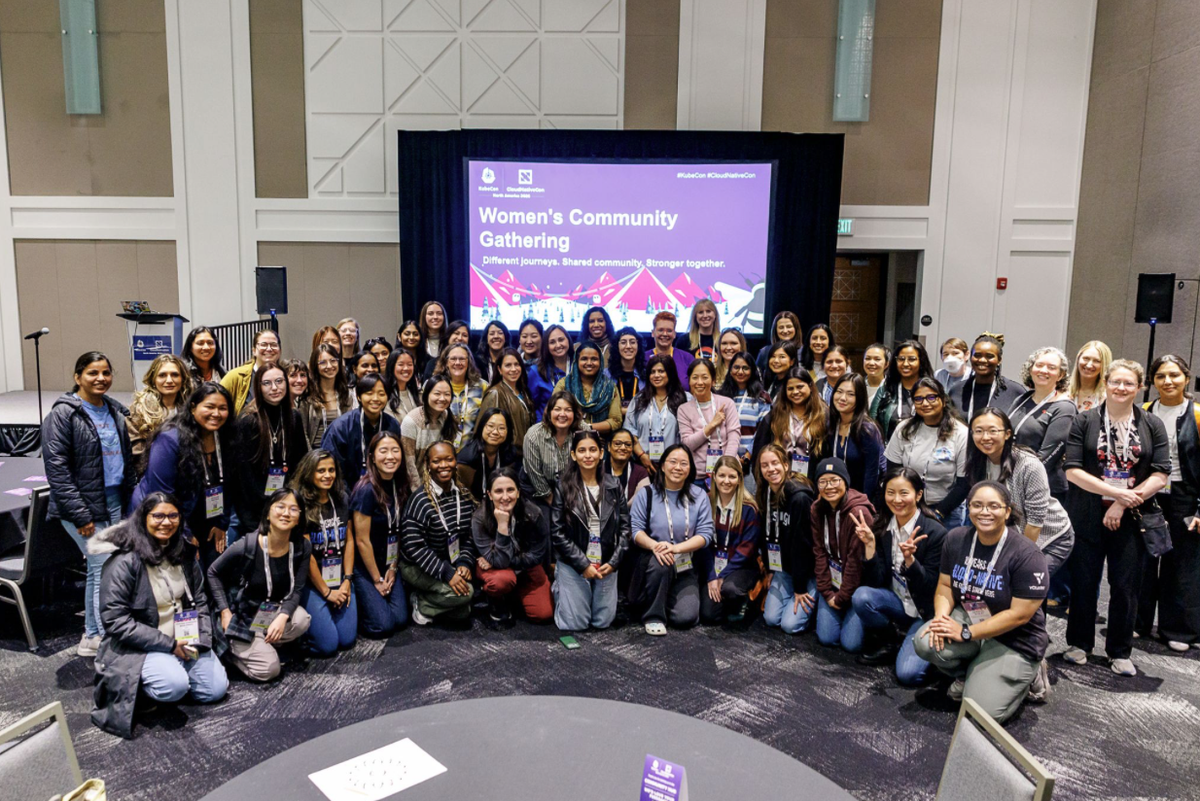
Women in Cloud Native gathering group photo
Connecting communities beyond the conference
Having been a CNCF Ambassador for almost five years, it was wonderful to reconnect with fellow Ambassadors at the breakfast and community gatherings. This KubeCon also brought a new experience for me as a first-time Kubernetes Community Days (KCD) organizer. Meeting other organizers and exchanging experiences offered valuable perspectives on how local communities bring cloud-native technologies and people together.
Together, these experiences reinforce something I value deeply: the strength of cloud native comes not only from the technologies we develop, but also from the relationships we build, the communities we nurture and the opportunities we create for others to participate.
CNCF Ambassador gathering
The Ericsson connections that make it special
It was particularly exciting to see Ericsson's strong presence at KubeCon North America this year, with a record number of talks from Ericsson speakers across the conference and co-located events. Our colleagues shared experiences and technical insights across different areas of the cloud-native ecosystem, including examples of upstream-first collaboration and how product teams can work closely with open-source communities. It was encouraging to see Ericsson's expertise and contributions represented across so many conversations.
KubeCon also brought together Ericsson colleagues who contribute to, maintain and use a wide range of open-source projects, including Backstage, Metal3, Istio and projects across the cloud-native security ecosystem. Meeting colleagues working in these different areas was a great opportunity to exchange experiences, discover connections between our work and learn how cloud-native technologies are being adopted across Ericsson. From platform engineering and Kubernetes networking to infrastructure automation, security and AI, these conversations reflected the breadth of our engagement with open source and its importance to the evolving needs of telecommunications platforms.
And, of course, some of the best conversations happened outside the conference halls. Our Ericsson team dinner was a wonderful opportunity to catch up with colleagues, exchange experiences and enjoy being together beyond our day-to-day work. Conferences are about more than presentations and technology announcements. They are also about the relationships we build and the shared experiences that bring us closer as a community.
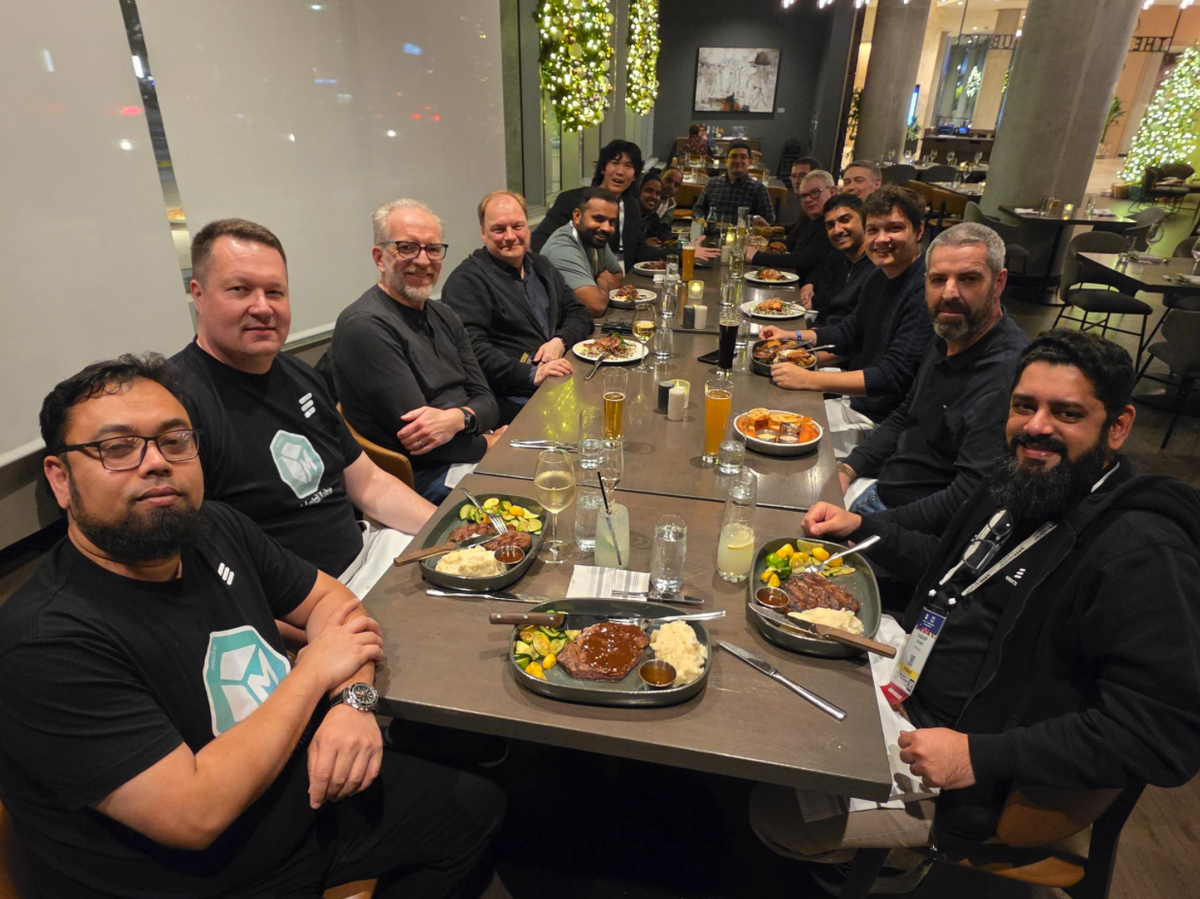
Ericsson team at dinner
Looking ahead
KubeCon North America left me with a strong sense of how quickly the cloud-native ecosystem is evolving. AI is introducing new infrastructure challenges, Kubernetes continues to expand into new workloads and environments, and open-source communities are growing around problems we have yet to fully solve. For those of us working at the intersection of cloud native and telecommunications, there are exciting opportunities to contribute to these developments and help shape what comes next.
But beyond the technical trends and project milestones, my biggest takeaway remains unchanged: technology moves forward because people collaborate: across projects, companies, communities and continents. I returned from Salt Lake City grateful for the conversations, proud of the communities I get to contribute to, and excited about the future of cloud native, AI and telecommunications.
Until the next KubeCon!