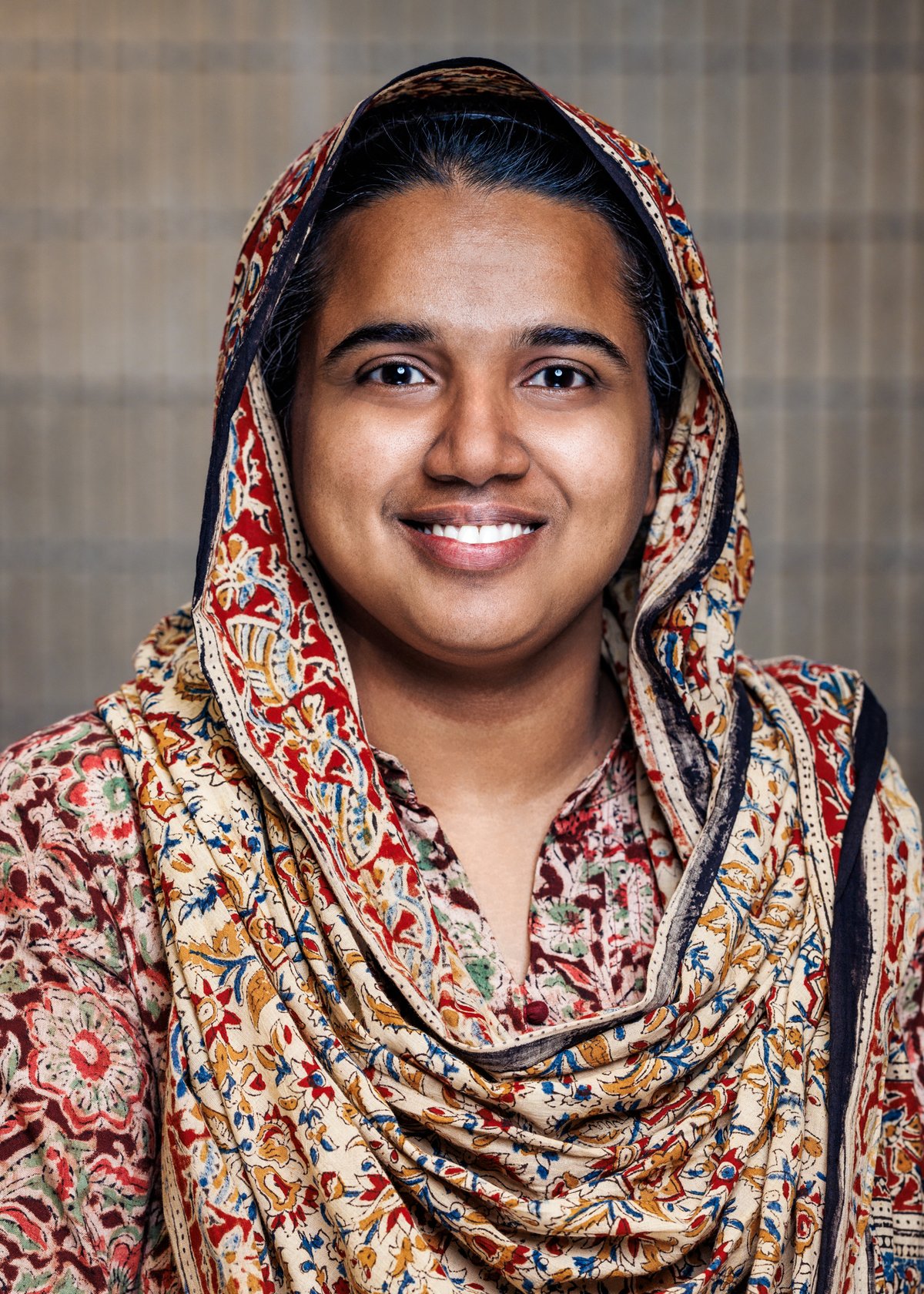
Faseela K writes:
'KubeCon + CloudNativeCon Europe in Amsterdam was deeply special for me, and this year truly felt like a full circle moment in every sense.
My first KubeCon was also in Amsterdam in 2023. Back then, I was a new Istio contributor, still trying to understand my place in the cloud-native world. I still remember how much it meant when Lin Sun invited me to co-speak with her. That small gesture stayed with me and shaped how I experienced the conference that year. Fast forward to 2026, and I returned to the same city, this time as an event co-chair of the same conference with the same Lin sun. Same place, same community, but a very different chapter in the journey.
Over the past year, I also had the privilege of co-chairing two other KubeCon events, in London and Atlanta. Each of them brought its own energy, lessons, and community moments that shaped how we approached Amsterdam.
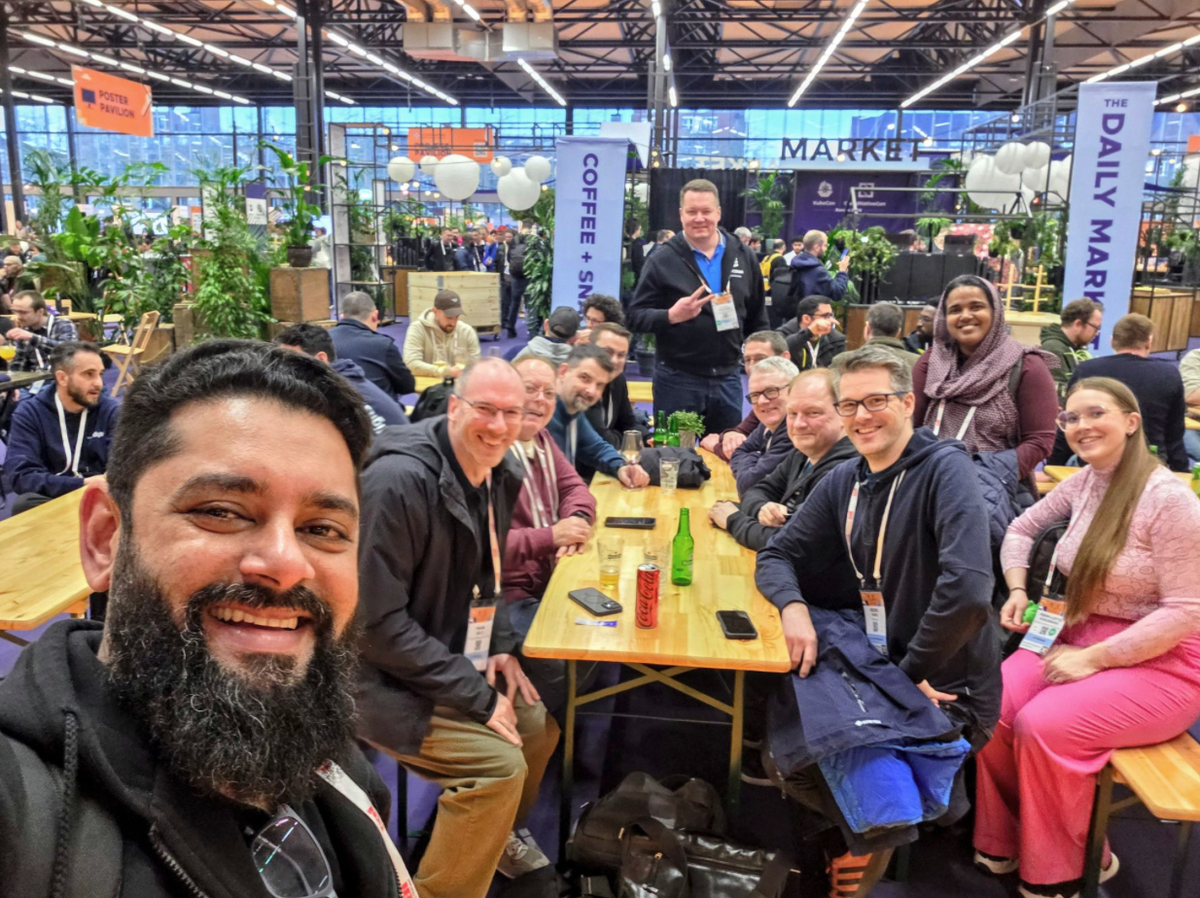
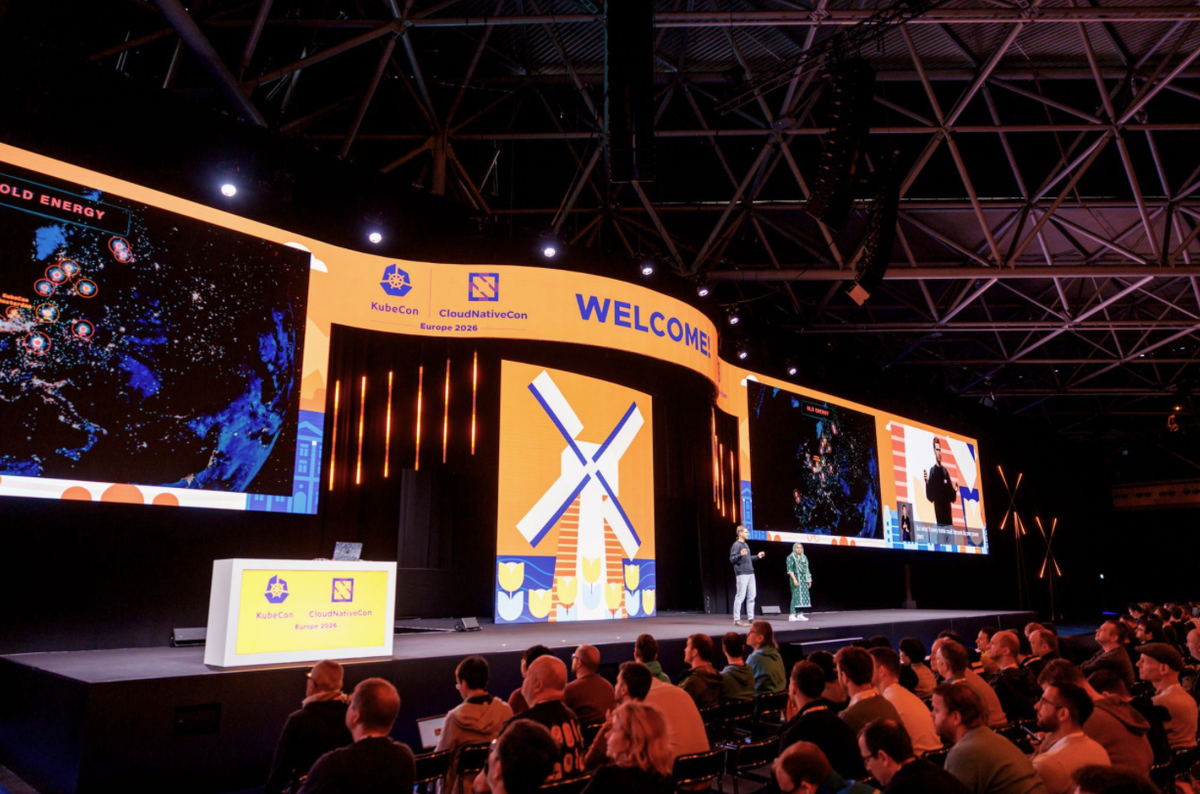
And in Amsterdam, we welcomed more than 13,000 attendees, making it the largest KubeCon to date. The keynote stage felt completely reimagined, with drones, gliders, and live storytelling that brought a new kind of energy to the event. For me, it also marked my final term as event co-chair, which made it both a milestone and a reflection point.
March 22 – Maintainer Summit: Conversations with the Builders
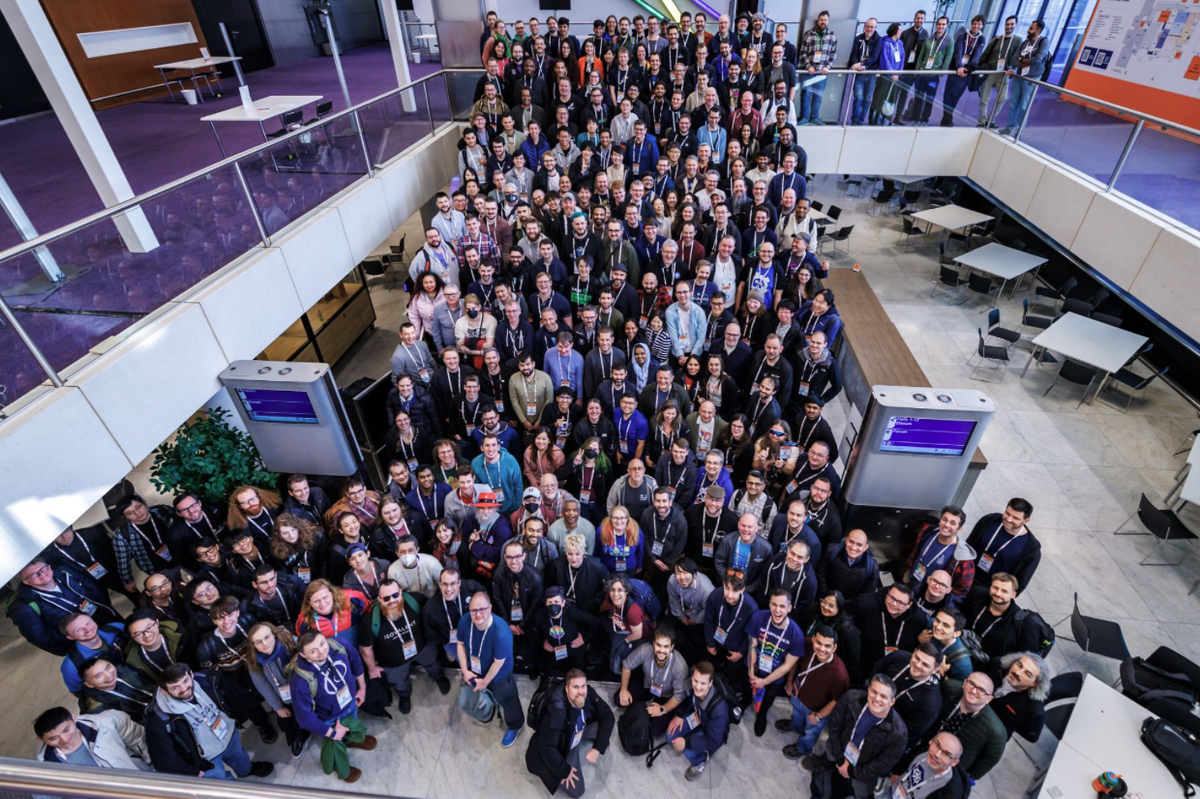
The Maintainer Summit is one of those rare spaces where the people building open source projects come together in a more closed, focused setting. It is less about presentations and more about honest conversations across maintainers, technical leads, and contributors who are directly shaping the ecosystem.
As a TOC member, this day was especially meaningful for me. I spent time with maintainers across different projects, understanding the challenges they are navigating around growth, governance, and long-term sustainability. These conversations often surface the real friction points that do not always appear in public discussions.
I also had the opportunity to connect directly with projects where I am involved in moving-level due diligence, and to give early guidance based on their current maturity journeys. These in-person discussions always help bring clarity in a way that written reviews never fully capture.
What stood out most for me was the openness. People were very direct about what is working, what is not, and where they need support from the broader CNCF ecosystem. It was a reminder that behind every project milestone are maintainers making very real, very human decisions.
By the end of the day, there was a clear sense of alignment on one thing. The strength of the ecosystem depends not just on projects evolving, but on maintainers being supported as they grow.
March 23 – Day 0: Co-located Events and Conversations
March 23 was Day 0 of KubeCon + CloudNativeCon Europe, the co-located events day. I spent time at Cloud Native Telco Day and Platform Engineering Day as an attendee, observing how telecom workloads continue to evolve in cloud-native environments and how platform engineering is steadily maturing as a discipline. A new addition this year was Agentic Day, focused on MCP and AI agents, which was an interesting early signal of how AI-driven systems are beginning to intersect with cloud-native ecosystems.
However, the most meaningful part of the day for me was the TOC + TAB offsite, where we came together in person as members of the Cloud Native Computing Foundation. Most of our collaboration usually happens remotely, so being in the same room always changes the nature of the discussion. It becomes more direct, more open, and often more grounded.
We spent time discussing how projects move through maturity levels and how we can make that journey more consistent and easier to navigate. There were also important conversations around how end-user signals can be better incorporated into our decision-making.
A key theme was LFX Insights and how they can help reflect real-world adoption in a more meaningful way, along with discussions on CNCF reference architectures and how they can become more practical for engineers building production systems.
In the evening, I was invited by JetBrains to be part of a panel discussion at JetBrains Developer Night, hosted at their office near RAI. The conversation centered around the future of software engineering, especially the impact of AI on open source and its communities. It was a thoughtful discussion with people actively shaping different parts of the ecosystem from the Rust Foundation to the Cloud Native Computing Foundation. One thought stayed with me. As AI evolves, it becomes even more important that it strengthens openness and collaboration rather than fragmenting it.
March 24 – Day 1: The Stage, the Energy, the Moment
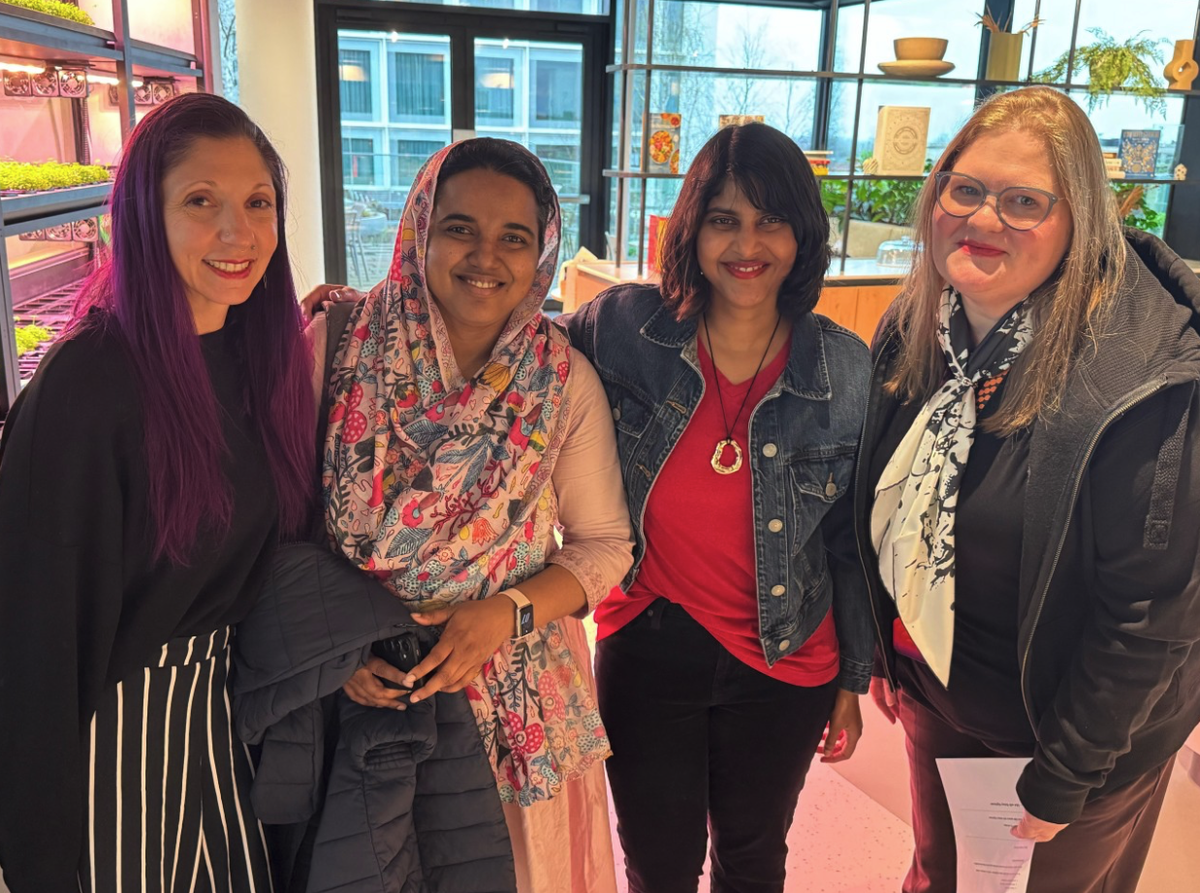
March 24 marked the first official day of KubeCon + CloudNativeCon Europe. Before the keynotes, the day started for me with the CNCF Ambassadors Breakfast. It is one of those rare moments where the global ambassador community comes together in person during KubeCon + CloudNativeCon Europe. People who usually interact across different regions, time zones, and initiatives finally get a chance to meet, exchange ideas, and reconnect face to face.
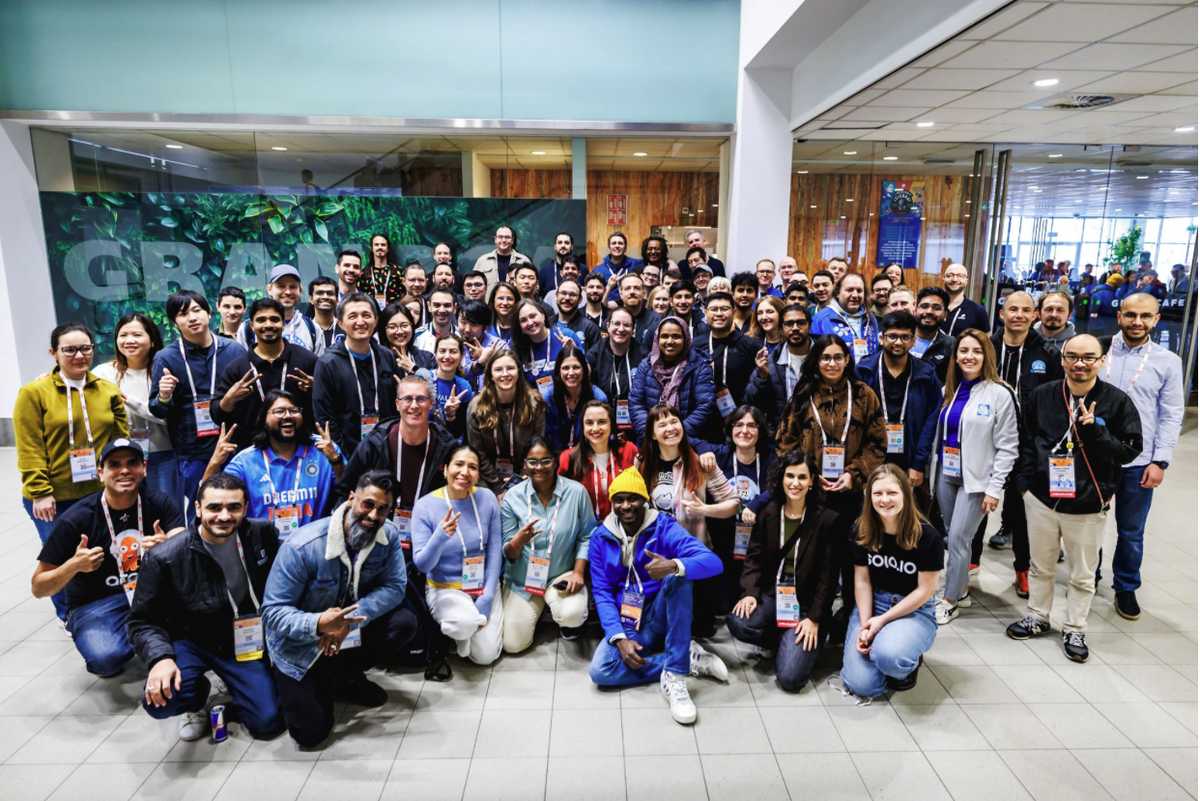
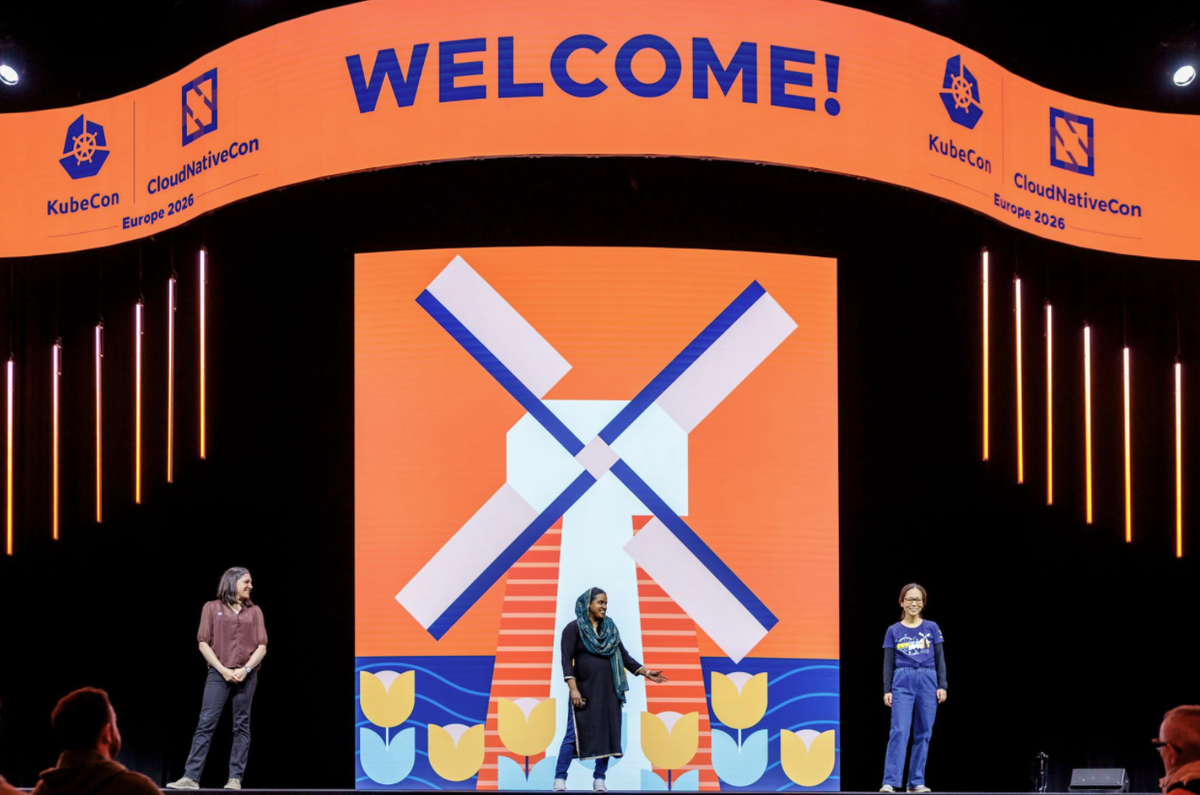
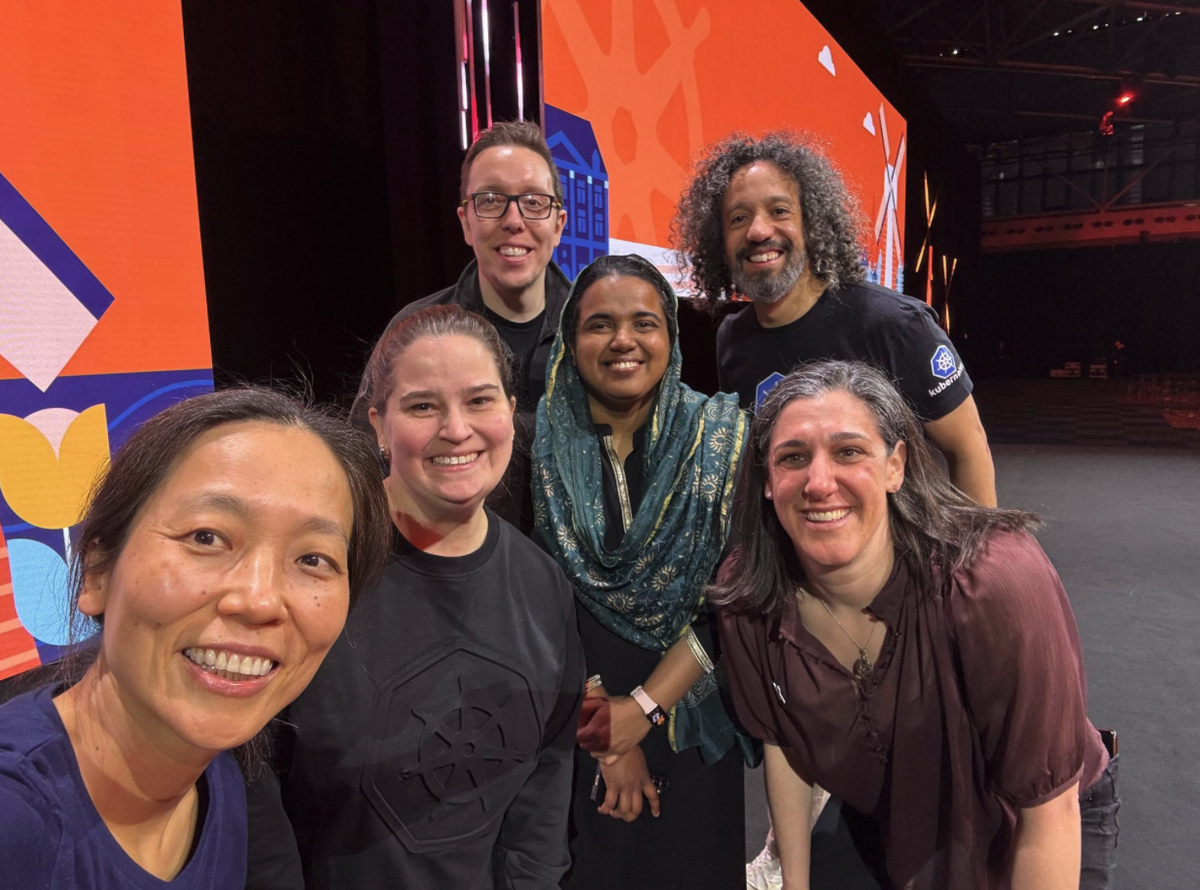
Later at the keynotes, standing on the big stage as event co-chair, alongside Lin Sun and Abby Bangser, was one of the most meaningful moments of the week.
Over the years, we had worked on shaping the keynote experience with intention, not just as talks, but as a narrative journey. This year, that vision came alive in a completely new way. Drones, gliders, and live demonstrations transformed the stage into something far more dynamic than before. Looking out at more than 13,000 attendees, I felt a deep sense of pride. Not just in the production, but in everything that led up to that moment.
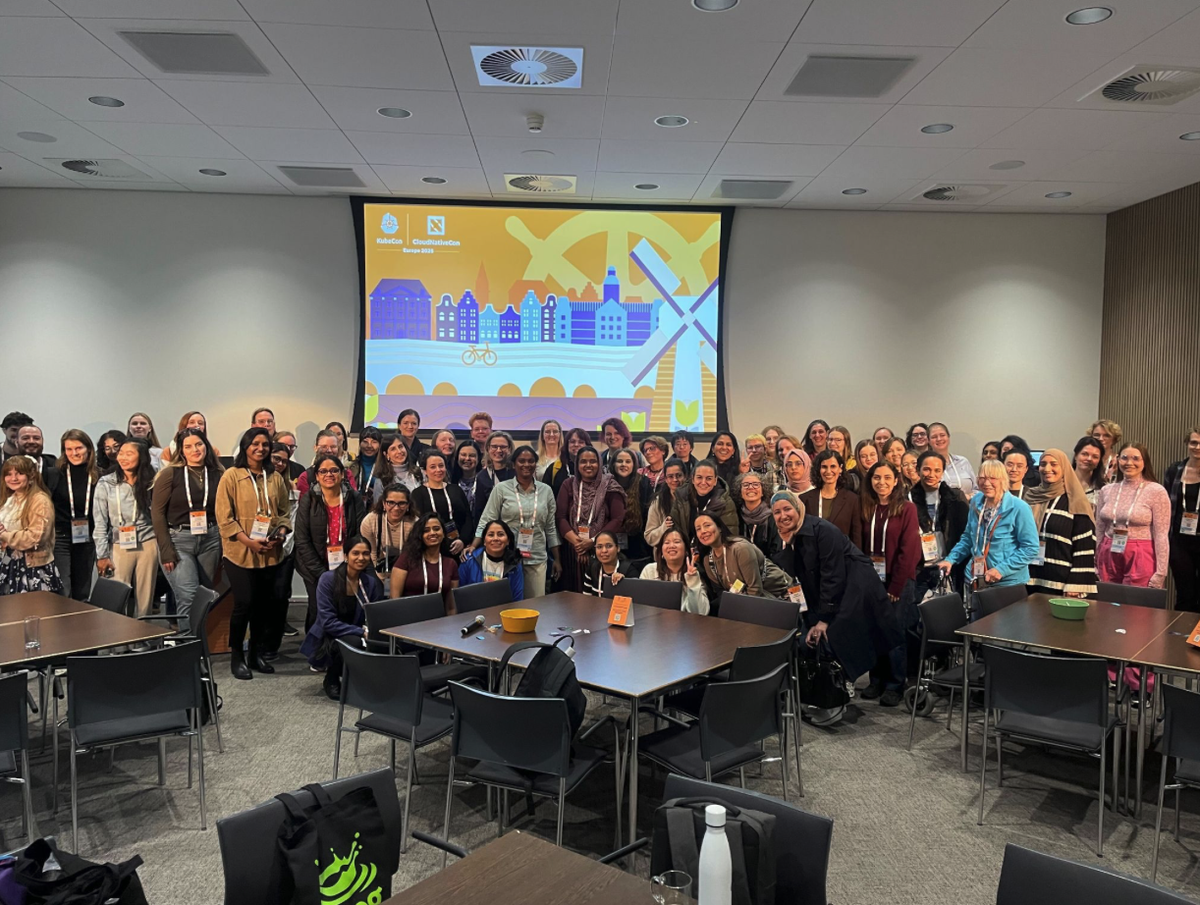
I also spent time at the Women in Cloud Native gathering. It was a really meaningful space to pause in the middle of an intense conference day and connect with fellow women across the ecosystem. The conversations were open, honest, and very grounded in shared experiences of working in open source and cloud-native communities.
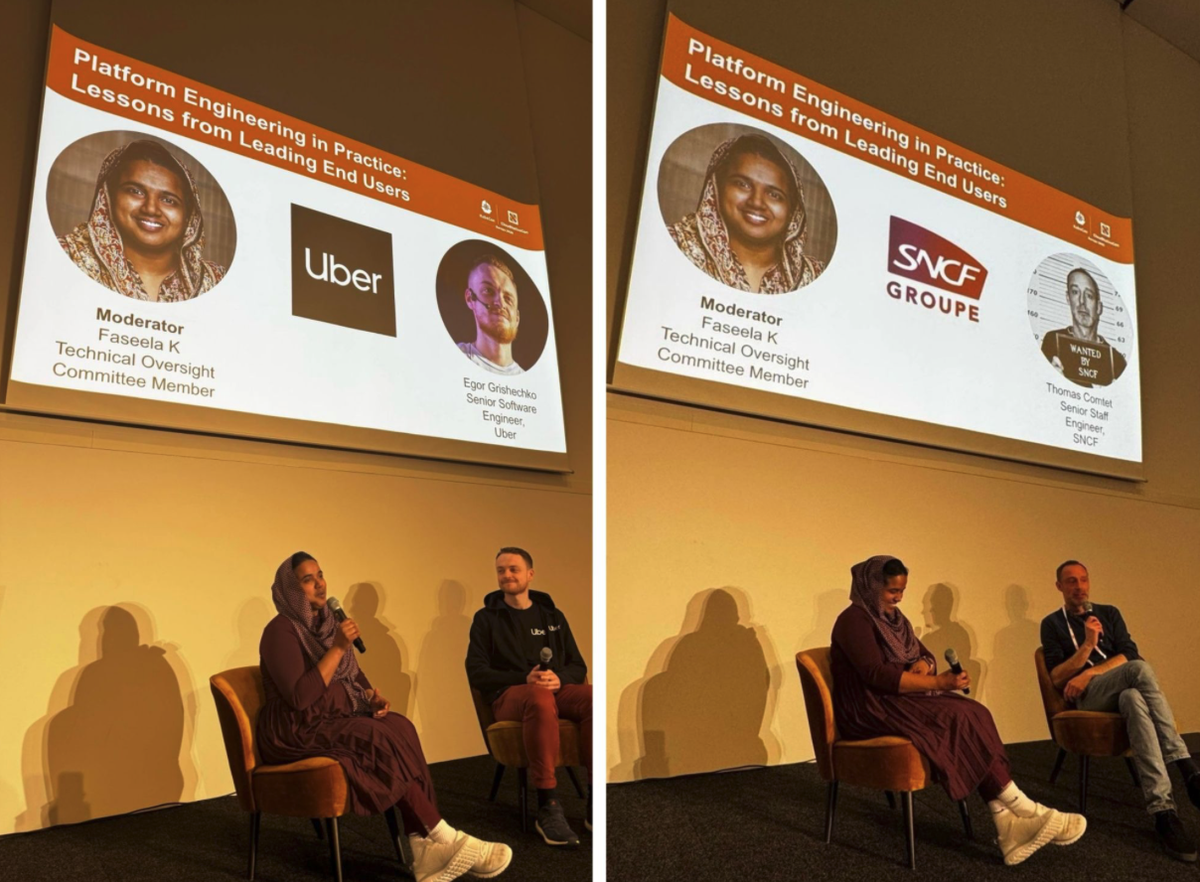
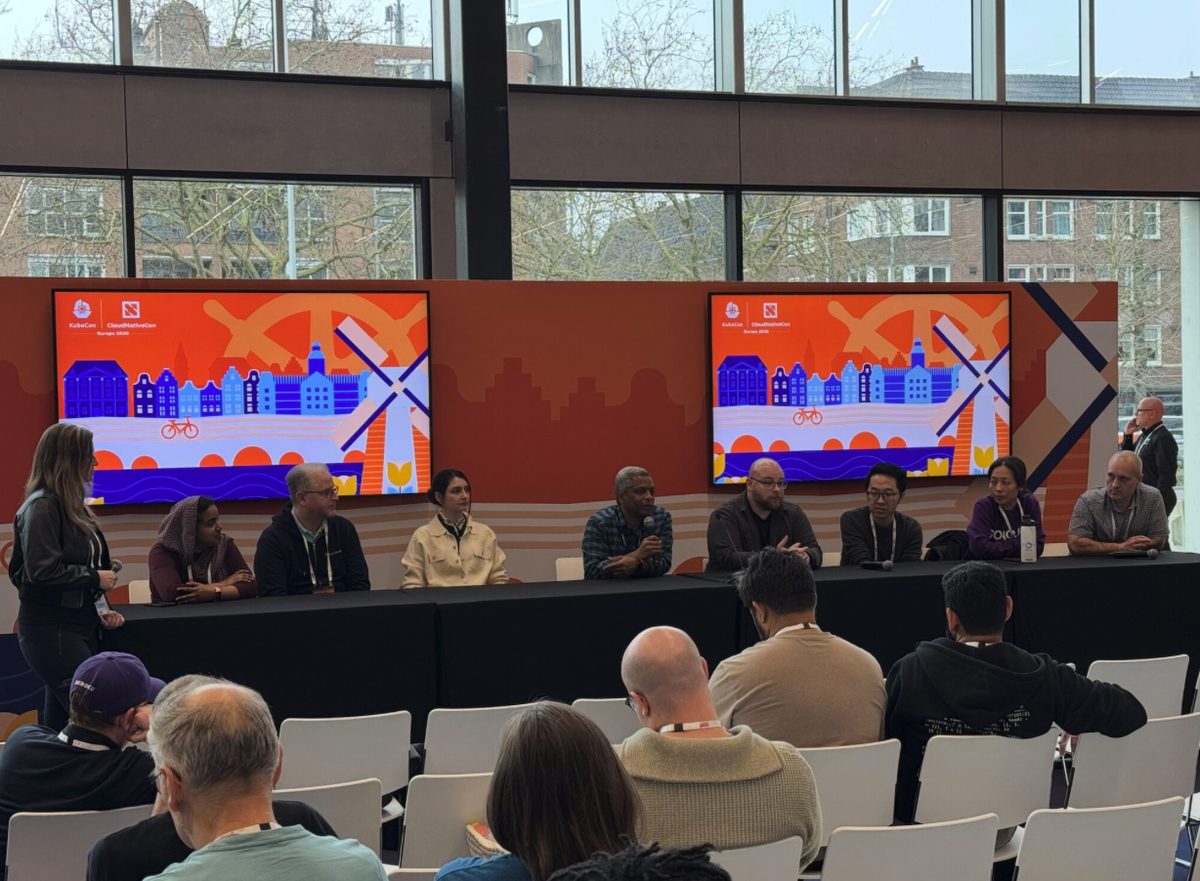
Later that day, I moderated the CNCF End User Media Fireside Chat on Platform Engineering in Practice, where Egor Grishechko (Uber) and Thomas Comtet (SNCF) shared real-world experiences of building and operating platform engineering at scale to a room full of media and analysts, a first time experience for me.
I also joined the CNCF TOC AMA session, where most of the questions from the audience centered around project maturity, adopter interviews, and what graduation really means in practice.
One session that stood out for me at the Solutions Showcase was SeeBOM, developed by Mario Fahlandt. It showed a clear shift from generating SBOMs to making them truly actionable in real systems, through dependency analysis, vulnerability insights, and policy enforcement.
March 25 – My Big Day: Sustainability and Gratitude
March 25 was my most personal and emotional day at KubeCon + CloudNativeCon Europe.
It began with Jan Melen’s opening keynote on Digital Sovereignty. That moment carried a lot of gratitude for me. I have been fortunate to work with Jan at Ericsson, who has consistently supported open source contributions in a very real and meaningful way. Later, I had the chance to acknowledge that support publicly on stage. That moment meant a lot, and it stayed with me throughout the day.
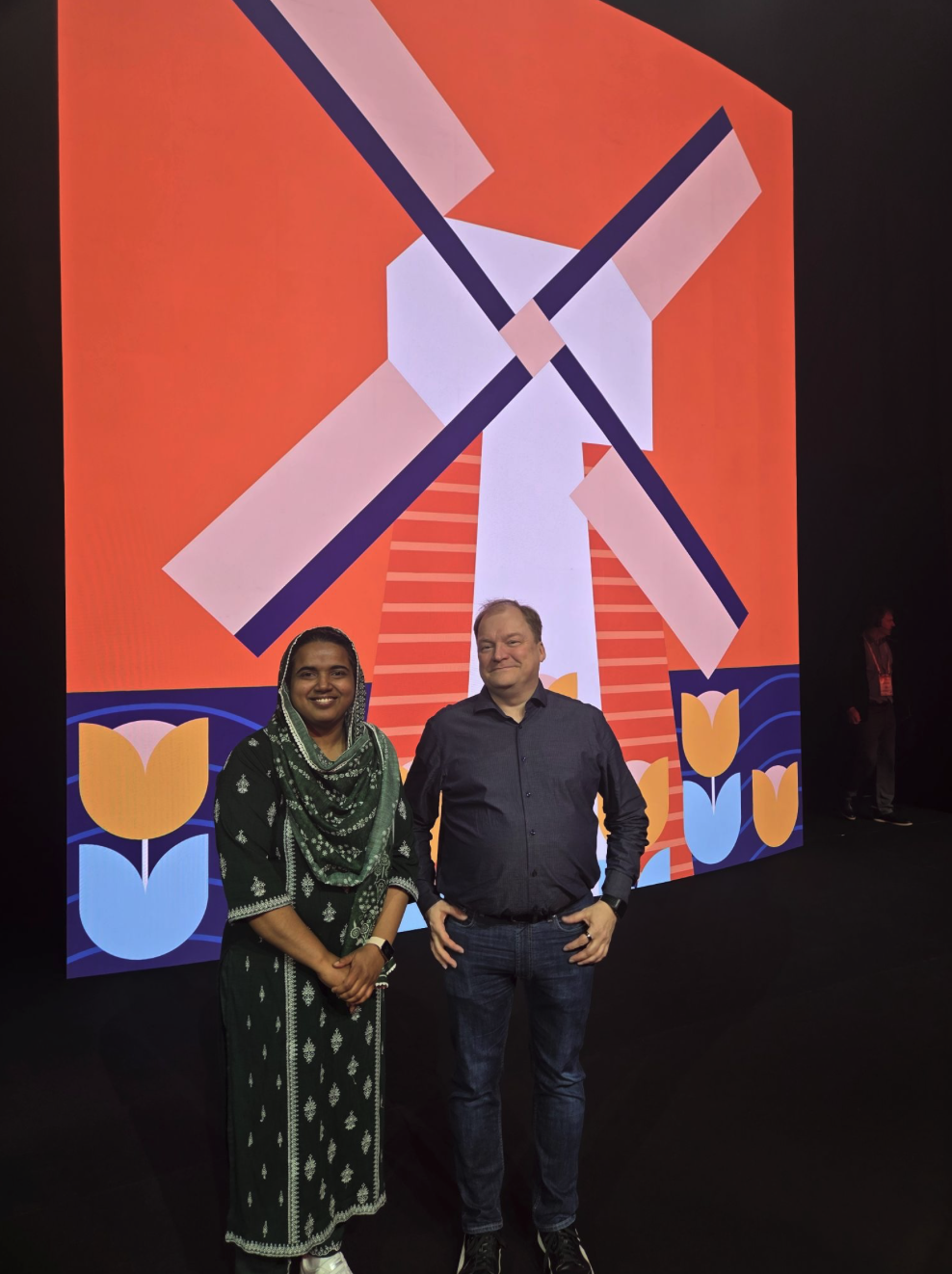
Later at the keynotes, I also saw two people I had nominated receive CNCF TAGGIE Awards, which was a proud and quiet moment of recognition for the community.
My sustainability keynote came later and was the final keynote of the day. This talk was not something that came together quickly. It evolved over time through many conversations and reflections across the ecosystem. Chris Holmes from Planet Labs brought in the satellite and environmental intelligence perspective, while Michael Reichenbach from 1KOMMA5° helped shape the storytelling and live demonstrations that grounded the message in reality. And I got to present the cloud native sustainability loop highlighting the cloud native tooling that can help users design architectures that are sustainable and responsible. The core idea was simple. Cloud-native is already contributing to sustainability outcomes, but we can be far more intentional about how we design what comes next.
March 26 – Closing Day: Reflections, Community, and Handover
March 26 was the final day of KubeCon + CloudNativeCon Europe, and it carried a very different kind of energy.
The day featured strong keynotes, including the TOC + TAB keynote, which was highly interactive and focused on how end-user perspectives continue to strengthen the Cloud Native Computing Foundation ecosystem. The discussion felt very grounded in real-world adoption, and it was a good reminder of why connecting users and builders remains so important for the future of the ecosystem.
For me personally, this day also marked the closing of my term as event co-chair. Standing on stage during the closing remarks, I had the opportunity to thank the community, reflect on the journey, and officially hand over to the incoming co-chair. Inviting them on stage was a simple but meaningful moment, and it felt like the right way to close this chapter.
Later in the day, I also joined discussions with the Linux Foundation Training and Certification team. We explored upcoming certification tracks and how we can shape exam content to better reflect real-world cloud-native practices, especially as the ecosystem continues to evolve rapidly.
By the end of the day, what stayed with me was not just the scale of the event, but the sense of continuity. The work continues, the community evolves, and each cohort of contributors builds on the last.
A Special Moment – Eva
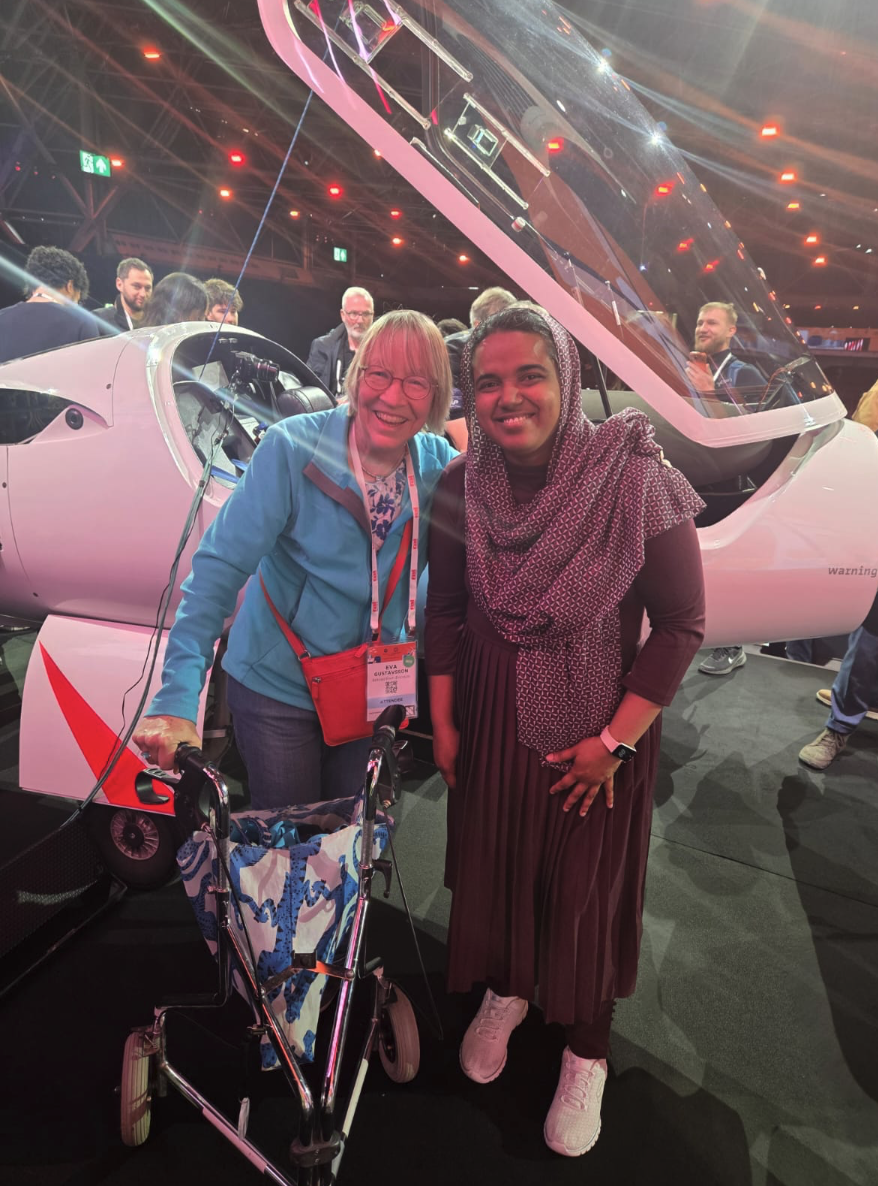
One of the most meaningful parts of the week was sharing this experience with Eva Gustavsson, my former colleague from Ericsson.
After 42 years at Ericsson, and retiring, Eva’s curiosity for technology is still as strong as ever. Encouraging her to apply for the Dan Kohn Scholarship brought her to Amsterdam, where she fully immersed herself in the conference, from technical sessions to community events and accessibility workshops.
Moments like this remind me that this community is not only about technology. It is about inclusion, continuity, and lifelong learning.
Closing Reflections
Amsterdam 2026 felt like both an ending and a beginning.
From my first KubeCon in 2023 to now serving as event co-chair, this journey has been shaped by people more than anything else.
Across KubeCon + CloudNativeCon Europe, I also spent meaningful time with the Istio maintainer and contributor community. These interactions happened throughout the week, both in conversations at the Istio booth and in discussions with users and contributors across the event. It was a great opportunity to hear firsthand feedback, understand real-world usage, and engage directly on ongoing challenges and ideas in the ecosystem.
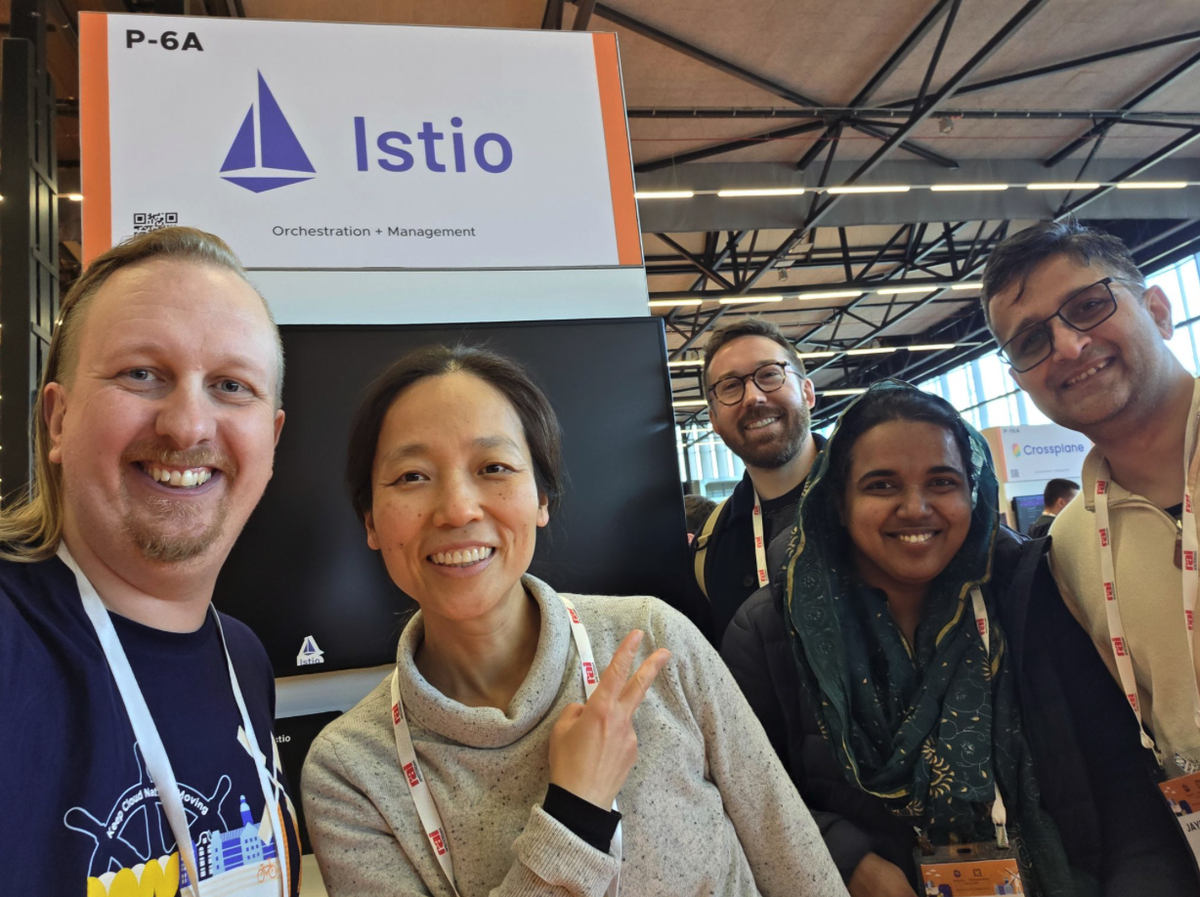
I also spent time with fellow Kubernetes Community Days (KCD) organizers during the week, which was a fun and energizing part of the conference. I am currently one of the organizers for Kubernetes Community Days Kochi happening in April, and it was great to meet people in the community, invite them to the event, and record promotional videos with several leading cloud-native voices at KubeCon. At the same time, I am also preparing for a keynote at Kubernetes Community Days Helsinki next month, so it felt special to connect with fellow organizers and continue building those community bridges across events.
The cloud-native ecosystem is not just about technology. It is about trust, community, and the space we create for each other to grow. I am grateful to have been part of shaping that, even if just for a chapter.
A heartfelt thank you to my colleagues at Ericsson and the broader Cloud Native Computing Foundation community for their support, collaboration, and encouragement throughout this journey.'