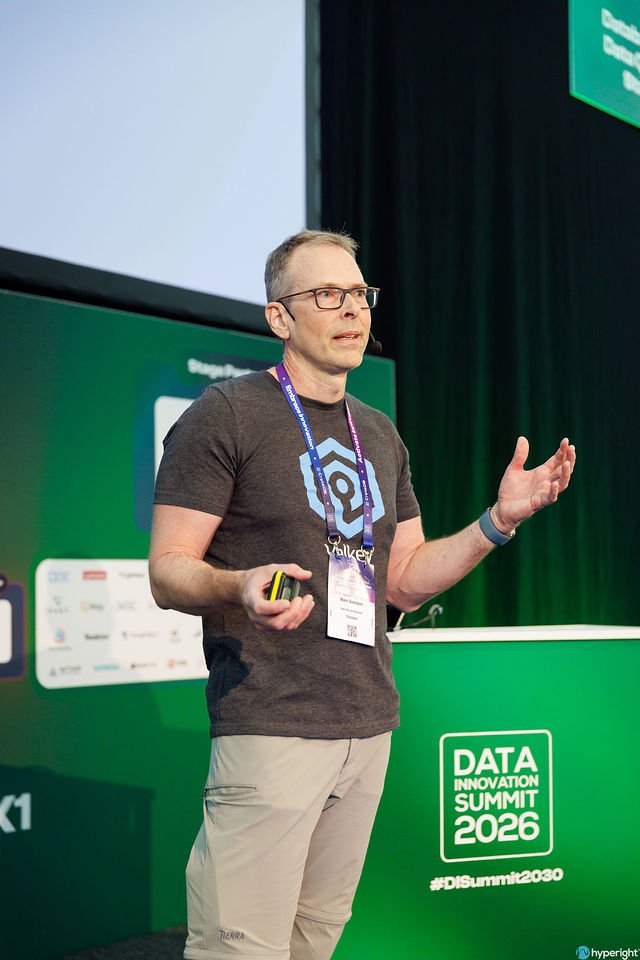
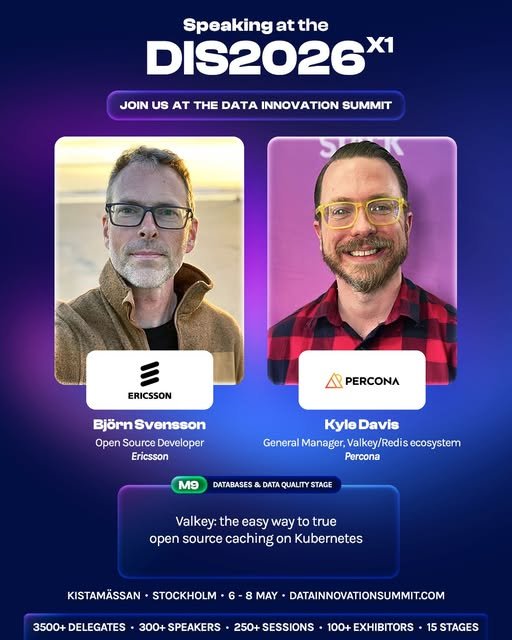
Björn Svensson A writes: "I attended the Data Innovation Summit Nordics 2026 in Stockholm, where I was invited to co-present together with Percona about an open source project: the Valkey Operator. It was my first time speaking at this conference, which made it a particularly interesting way to experience the event, not just as an attendee, but also from the perspective of contributing a talk in a very vendor- and industry-driven program.
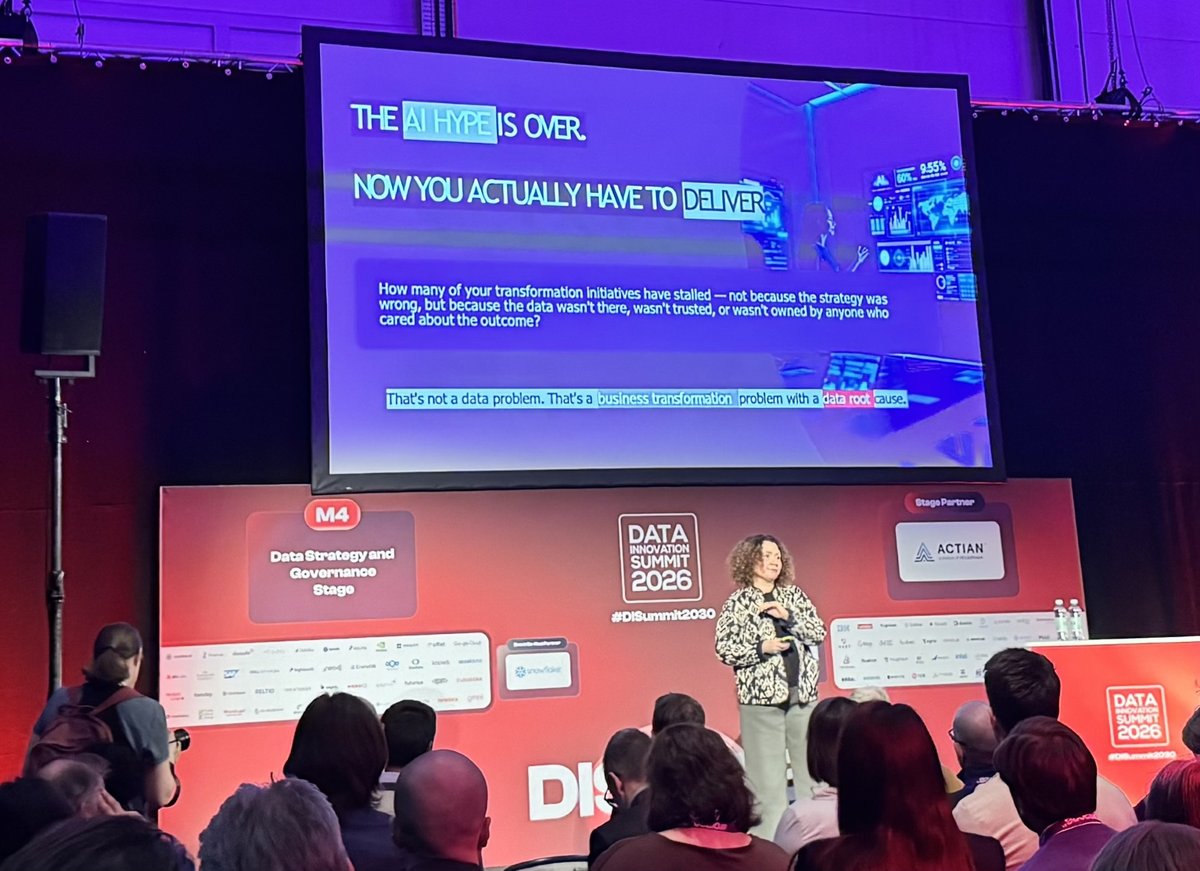
The first impression from the conference was how strongly the focus was centered around AI. Across nine parallel tracks, a large number of presentations and booths, and a wide range of companies, AI was clearly the dominant theme. Almost every session in some way connected back to AI - either through use cases, platform capabilities, or discussions about how organizations can adopt and scale AI more effectively. There were many enterprise and vendor-driven presentations, but none/few contributions from open source communities, which stood out in contrast to other technology conferences where open source plays a more central role.
One of the more memorable sessions came from SAAB, where they presented how AI is used in the radar systems of the JAS 39 Gripen - a Swedish fighter aircraft. This stood out because it represented a very different type of application compared to most of the conference. In this case, AI is embedded in a safety-critical, real-time system where performance requirements are extremely strict. Latency, reliability, and trust are fundamental constraints, and the system must operate under conditions where failure is not acceptable. It provided a clear example of AI being used not just as a business enabler, but as a core component in mission-critical engineering systems.
My own presentation with Percona on the Valkey Operator brought a different angle into the program. It focused on open source infrastructure and how to run Valkey clusters in Kubernetes using an operator pattern. In conversations afterwards, several attendees highlighted that they appreciated having an open source-focused talk in the program, especially in a conference where the majority of content was driven by large vendors and enterprise platforms. It was encouraging to see that there is still strong interest in open source perspectives, even in a highly commercialized conference environment.
In contrast, many of the other sessions were shaped by companies showcasing platforms, tools, and services designed to help organizations adopt AI. The focus was often on capabilities and success stories, with an emphasis on how quickly value can be achieved using specific solutions.
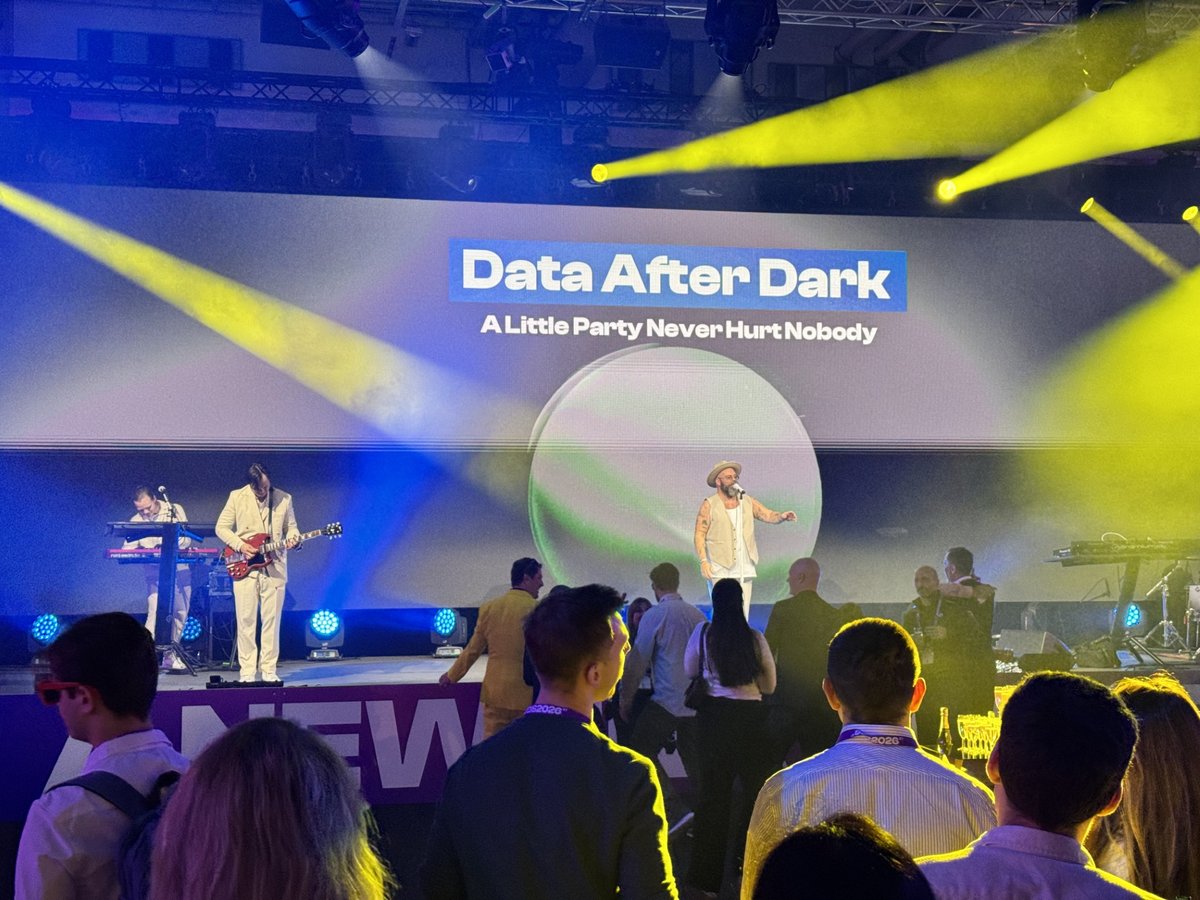
One of the highlights of the conference was the evening party, where a live band played a set hits that quickly got the crowd going. It created a very different atmosphere from the daytime sessions, and it did not take long before the dance floor filled up and people started letting loose after a long day of talks.
Stepping back from the individual sessions, the overall impression from the Data Innovation Summit was that AI has become the default lens through which most data and technology discussions are now framed. At the same time, the most interesting contrasts came from the edges - where highly engineered systems like SAAB’s defense applications, revealed the complexity underneath the AI narrative. There is also room for more open source contributions and perspectives in future editions of the conference, which could help broaden the discussion beyond primarily vendor-driven viewpoints."